RoSPA accredited · CPD certified · Instant digital certificate — Browse courses →

Level 2 Food Hygiene Certificate

The essential food safety certificate for anyone who handles, prepares, cooks or serves food — online, self-paced and certified the moment you pass.

⏱ ~1–2 hours RoSPA accredited CPD certified Instant certificate
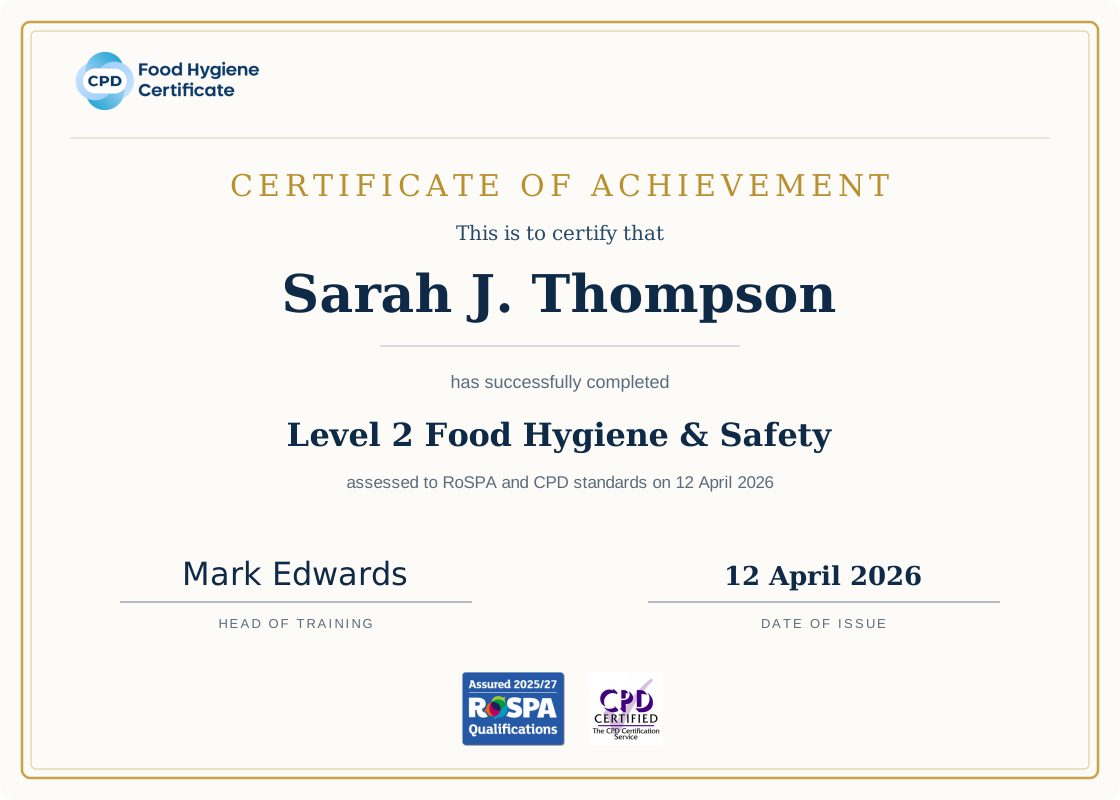
Sample Level 2 Food Hygiene & Safety certificate of achievement
CPD Certified RoSPA Qualifications Assured Institute of Hospitality accredited

Course at a glance

Level
2 — for food handlers
Format
Online · any device
Duration
Around 1–2 hours
Modules
14 core modules
Assessment
Multiple-choice exam
Pass mark
80% · free retakes
Certificate
Digital PDF + printed copy
Accreditation
CPD · RoSPA · IoH

What is the Level 2 Food Hygiene Certificate?

The Level 2 Food Hygiene Certificate is a widely recognised online food safety course for anyone who handles, prepares, cooks or serves food. It’s the standard food hygiene qualification for food handlers and is suitable across catering, food manufacturing, retail, schools, early years and care settings.

The course gives food handlers the practical knowledge to handle food safely, maintain high standards of personal hygiene, control hazards and comply with UK food safety law. It also helps food business operators meet their legal duty to ensure staff are properly trained, and it’s accredited and accepted by UK local authorities and Environmental Health Officers (EHOs).

Studied entirely online and at your own pace on any device, you’ll receive an instant digital certificate the moment you pass — with a high-quality printed copy posted out the next working day.

What you’ll learn

This Level 2 food hygiene and safety training gives food handlers the essential knowledge to work safely and legally, including:

  • Why food hygiene and safety matter in every food environment
  • How to prevent food poisoning through good hygiene practices
  • Your key responsibilities under UK food safety law
  • The main food safety hazards — microbiological, chemical, physical and allergenic
  • Personal hygiene standards and how to control contamination
  • Safe storage and handling of high-risk and low-risk foods
  • Cleaning, disinfection and pest control procedures
  • Temperature control — cooking, chilling, hot holding and food preservation
  • How to apply a food safety management system based on HACCP principles
  • How to report illness and recognise when not to handle food

The course helps ensure food handlers receive adequate training to prepare food safely, reduce food waste and contribute to a safe and efficient food supply chain.

Course content

Fourteen core modules, each focusing on a key area of food safety and hygiene. Every module ends with a short review, and you can revisit any topic as often as you need. Tap a module to see what’s covered.

1 Introduction to Food SafetySets out what food safety means and why it matters to you, your employer and the people you serve.

What’s covered

  • What “food safety” and “food hygiene” mean and the difference between them
  • The real cost of getting it wrong — illness, complaints, fines, closure and reputational damage
  • Who is responsible: food handlers and food business operators
  • Key terms used throughout the course, such as contamination, high-risk and ready-to-eat foods
  • An overview of what the rest of the course covers
2 Microbiological HazardsLooks at the bacteria and other microorganisms that cause most cases of food poisoning, and the conditions they need to grow.

What’s covered

  • What bacteria are and the four things they need to multiply — food, warmth, moisture and time
  • The main food poisoning bacteria, including Salmonella, E. coli (including O157), Campylobacter, Listeria, Bacillus cereus and Clostridium perfringens
  • How spores and toxins make some bacteria harder to control
  • Viruses such as norovirus and how they spread through food
  • Which high-risk foods most readily support bacterial growth
3 Food Poisoning and Foodborne IllnessExplains how food poisoning happens, who’s most at risk, and how to stop it.

What’s covered

  • What food poisoning is and its common symptoms and onset times
  • The difference between foodborne infection and intoxication
  • Vulnerable groups at greater risk — young children, older people, pregnant women and those with weakened immunity
  • The most common causes of outbreaks
  • The everyday practices that prevent food poisoning
4 Contamination Hazards and ControlsCovers the four types of contamination and the practical controls that keep food safe.

What’s covered

  • The four hazard types — microbiological, physical, chemical and allergenic
  • Physical contaminants such as glass, metal, packaging and hair
  • Chemical contaminants such as cleaning products and pest control chemicals
  • Allergens, the 14 named allergens, and awareness of allergen labelling (including Natasha’s Law / PPDS)
  • Cross-contamination and how to prevent it through separation, storage and colour-coding
5 Personal HygieneSets the standard for how food handlers should present and conduct themselves.

What’s covered

  • Effective handwashing — when to wash your hands and the correct technique
  • Protective clothing, tied-back hair, and minimal jewellery, perfume and nail varnish
  • Covering cuts and wounds with blue, detectable plasters
  • Behaviour in food areas — no eating, smoking or unhygienic habits
  • Reporting illness and the rule on staying away until 48 hours symptom-free
6 Food Premises and EquipmentExplains what a safe, hygienic working environment looks like.

What’s covered

  • The features of a well-designed food premises — surfaces, layout, lighting and ventilation
  • Suitable, food-safe equipment and materials
  • Designing workflow to keep raw and ready-to-eat foods apart
  • Keeping premises and equipment clean, maintained and in good repair
  • Adequate handwashing and washing-up facilities
7 Cleaning and DisinfectionCovers how to clean and disinfect effectively, and the difference between the two.

What’s covered

  • The difference between cleaning and disinfection, and when each is needed
  • The six stages of effective cleaning
  • The “clean as you go” principle and the role of cleaning schedules
  • Safe selection, use and storage of cleaning chemicals
  • Why surfaces and equipment that touch food need particular attention
8 Pest ControlHelps you recognise, prevent and report pest problems.

What’s covered

  • The pests most common in food premises — rodents, insects and birds
  • The signs of an infestation: droppings, gnaw marks, grease marks and nesting
  • Why pests are a serious contamination and disease risk
  • Prevention through proofing, cleanliness and good waste control
  • When and how to report pests and involve professional pest control
9 Food Storage and Temperature ControlOne of the most important modules — how temperature keeps food safe at every stage.

What’s covered

  • The “danger zone” (5°C–63°C) where bacteria multiply most rapidly
  • Safe chilled storage and hot holding (typically 8°C or below, and 63°C or above)
  • Cooking, cooling and reheating food safely, including core temperatures
  • Stock rotation, date labels, and the difference between use-by and best-before
  • Safe defrosting and the correct storage of high-risk foods
10 Food Safety Management SystemsIntroduces the systems that keep food safety under control and satisfy the law.

What’s covered

  • What a food safety management system is and why it’s a legal requirement
  • The principles of HACCP and schemes such as Safer Food, Better Business (SFBB)
  • Identifying hazards and critical control points
  • Monitoring, taking corrective action and keeping records
  • What “due diligence” means and why records matter
11 Waste ManagementCovers how to handle waste so it doesn’t become a hazard.

What’s covered

  • Safe handling and storage of food and general waste
  • Keeping waste from becoming a contamination or pest risk
  • Managing internal and external waste storage
  • The legal requirements around waste disposal
  • Practical ways to reduce food waste
12 Food Safety LegislationA plain-English guide to the laws that apply to you and your employer.

What’s covered

  • The key legislation, including the Food Safety Act 1990 and current Food Safety and Hygiene Regulations
  • The legal duties placed on food businesses and food handlers
  • The role of Environmental Health Officers and what happens during an inspection
  • Enforcement — improvement notices, prohibition notices, fines and prosecution
  • How the Food Hygiene Rating Scheme works and why your rating matters
13 Roles and Responsibilities in Food SafetySets out who is responsible for what, from the food handler to the business owner.

What’s covered

  • The responsibilities of food handlers day to day
  • The responsibilities of food business operators and managers
  • The role of enforcement officers
  • Training requirements and keeping skills up to date
  • Building a positive food safety culture across a team
14 Final ExamConfirms your knowledge and unlocks your certificate.

What’s covered

  • A multiple-choice exam drawing on all of the previous modules
  • A pass mark of 80%
  • Free retakes if you don’t pass first time
  • An instant digital certificate, with a printed copy posted the next working day
Level 2 Food Hygiene course certificate

Assessment & certificate

To earn your Level 2 Food Hygiene Certificate, you’ll complete a multiple-choice final exam. The pass mark is 80%, and if you’re not successful first time you can retake the exam for free, as many times as you need.

As soon as you pass, you can download your digital certificate instantly, and a high-quality printed certificate is posted out the next working day. Your certificate is CPD certified and RoSPA Qualifications Assured, and can be presented during food hygiene inspections as evidence of training.

There is no expiry date on the certificate. However, we recommend food handlers refresh their training every three years to stay up to date with best practice and legislation.

Who needs a Level 2 Food Hygiene Certificate?

This course is for anyone who handles, prepares, cooks or serves food as part of their job. Level 2 is the standard level of food hygiene training expected for food handlers, and is suitable across a wide range of sectors:

  • Catering and hospitality — restaurants, cafés, pubs, takeaways, hotels, mobile and street food
  • Food retail — supermarkets, delis, butchers, bakeries and food-to-go counters
  • Food manufacturing and processing — staff preparing, packing or producing food
  • Schools and education — school kitchen and canteen staff
  • Early years and childcare — nursery and pre-school staff who prepare or serve food
  • Care settings — kitchen and care staff in care homes and supported living

It’s the right starting point for anyone beginning an entry-level role that involves handling food, and it’s equally valuable for food business operators responsible for training and supervising their staff.

Not sure which level you need? If you work around food but don’t handle it, the Level 1 Food Hygiene Certificate is the better fit. If you handle, prepare, cook or serve food, Level 2 is the one you need.

Why take this course?

Food hygiene training is a legal requirement for anyone who handles food. The Level 2 Food Hygiene Certificate helps food business operators meet their legal responsibilities while giving staff the knowledge and confidence to keep food safe.

By completing this course, you’ll be able to:

  • Meet the food safety training expected by UK local authorities
  • Handle food in a way that reduces the risk of cross-contamination
  • Improve hygiene practices across your food premises
  • Identify, control and report food safety hazards
  • Stay compliant with food hygiene training requirements
  • Prepare with confidence for EHO inspections
  • Protect your food hygiene rating and reputation
  • Contribute to your continuing professional development (CPD)

It’s especially valuable in fast-paced environments — from busy kitchens and food-to-go counters to production lines and mobile units — where high hygiene standards are essential to preventing food poisoning.

Accredited, trusted food safety training

For employers, managers & business owners

Training your team

Buy, assign and manage food hygiene training across your whole team — all from one place.

Buy in bulk and save

Discounts apply automatically at checkout and scale with your order. You can even mix and match different courses across your team — the discount applies to your entire basket.

Assign licences your way

Buy the licences you need now and assign them to staff whenever it suits you — there’s no rush to use them all at once. Add team members by email and they’ll get their own login.

Track progress in real time

A simple manager dashboard shows who has started, who’s in progress and who has passed — so you can follow up before an inspection or busy period.

Certificates and audit records

Download every team member’s certificate from a single account, and export a training record for EHO inspections or internal audits. Printed certificates are posted out as your team passes.

Flexible payment

Pay by card for instant access, or get in touch about invoicing and purchase orders for larger team orders.

Bulk course orders with a discount tag

Bulk pricing & team discounts

Bigger orders = bigger discounts

The more licences you buy, the more you save — and discounts apply across your whole order, including mixed courses. Secure a lower rate today and use your licences whenever it suits your business.

10+licences10% off
50+licences20% off
100+licences30% off
500+licences40% off

Discounts are applied automatically at checkout based on your total quantity.

Why train with us

Genuinely accreditedCPD certified, RoSPA Qualifications Assured and Institute of Hospitality accredited.
Recognised by EHOsAccepted by local authorities across the UK.
Engaging contentInteractive modules with full audio and visuals — no prior knowledge needed.
Learn anywhereFully online and self-paced, on any device.
Risk-freeFree retakes if you don’t pass first time.
Real certificatesInstant digital PDF plus a printed copy by post.
Built for teamsBulk pricing, progress tracking and centralised certificates.

Frequently asked questions

Is the Level 2 Food Hygiene Certificate required by law?

The certificate itself isn’t legally required, but food hygiene training is a legal obligation under UK food safety law. This course ensures food handlers receive training appropriate to their role.

What’s the difference between Level 1 and Level 2 food hygiene?

Level 1 is an awareness course for people who work around food without handling it. Level 2 is for anyone who handles, prepares, cooks or serves food — it’s the standard requirement for food handlers.

Is the certificate recognised by local authorities?

Yes. The course is accredited and approved, making it widely accepted by local authorities and Environmental Health Officers.

How long does the course take?

Most learners complete it in around 1–2 hours, but it’s fully self-paced — work through it in one sitting or over several, and pick up where you left off.

Is there a test at the end?

Yes — a multiple-choice final exam. You need 80% to pass, and retakes are free if you need them.

Will I get a certificate?

Yes. A digital certificate is issued instantly when you pass, and a printed copy is posted the next working day.

Can I take the course on my phone or tablet?

Yes. The course is mobile-friendly and works on any device — phone, tablet or desktop. The final assessment must be taken on a laptop or PC.

Does the course cover all areas of food hygiene?

Yes. It covers microbiological, chemical, physical and allergenic hazards, plus food storage, temperature control, cleaning, pest control, food safety management and the law.

Is this suitable for someone starting work in catering, retail or a school kitchen?

Yes. Level 2 is the standard level of training for entry-level roles that involve handling food, across catering, retail, manufacturing, schools and early years settings.

Is this course part of CPD?

Yes. The training is CPD certified and counts towards your continuing professional development.

How often should the Level 2 Food Hygiene Certificate be renewed?

Every three years is recommended, to keep up to date with best practice and legislation.

Can I buy this course for my whole team?

Yes. Buy multiple licences in one order and save with automatic bulk discounts — you can also mix and match different courses across your team.

How do I assign courses to my staff?

Buy the licences you need and assign them to team members by email whenever it suits you. Each person gets their own login to complete the course.

Can I track my team’s progress?

Yes. A manager dashboard lets you see who has started, who’s in progress and who has passed.

How do I get my team’s certificates?

You can access and download every team member’s certificate from one account, and export a training record for audits or EHO inspections. Printed certificates are posted out as staff pass.

Can I pay by invoice or purchase order?

Get in touch and we’ll arrange invoicing or purchase-order payment for larger team orders.

Do licences expire?

No need to rush — buy now and assign your licences to staff whenever you’re ready.

Ready to get certified?

Start the Level 2 Food Hygiene Certificate today

Instant access, learn at your own pace, and download your CPD certified, RoSPA-accredited certificate the moment you pass — with a printed copy on its way the next working day.

Not sure? Take the quiz