RoSPA accredited · CPD certified · Instant digital certificate — Browse courses →

Level 1 Food Hygiene Certificate

The introductory food safety course for everyone who works around food — online, self-paced and certified the moment you pass.

⏱ ~1–2 hours RoSPA accredited CPD certified Instant certificate
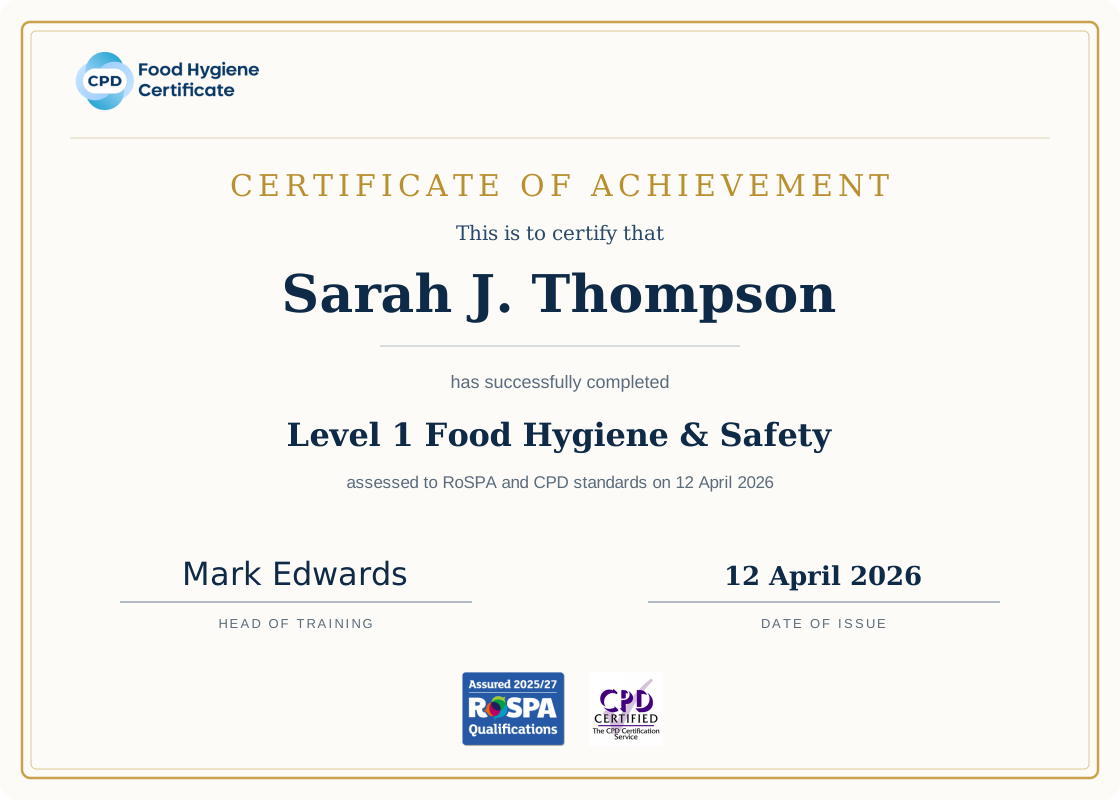
Sample Level 1 Food Hygiene certificate of achievement
CPD Certified RoSPA Qualifications Assured Institute of Hospitality accredited

Course at a glance

Level
1 — introductory
Format
100% online, self-paced
Duration
Around 1–2 hours
Modules
7 interactive sections
Assessment
Multiple-choice exam
Pass mark
80% · free reattempts
Certificate
Instant printable PDF
Accreditation
CPD · RoSPA · IoH

What is the Level 1 Food Hygiene Certificate?

The Level 1 Food Hygiene Certificate is an introductory food safety course for people who work in an environment where food is prepared or handled, but who don’t have direct contact with food themselves. It provides a foundation level of food hygiene knowledge and is the ideal starting point for support staff across catering, hospitality, retail, food manufacturing, healthcare and more.

Studied entirely online and at your own pace, the course gives learners a clear, practical understanding of food hygiene and the everyday behaviours that keep food safe. It also helps food businesses meet their legal duty to provide hygiene training that is commensurate with each employee’s role — a requirement under UK and retained EU food safety law.

Learn on any device, sit a short final assessment on a laptop or PC, and download your certificate as soon as you pass.

What you’ll learn

By the end of this Level 1 food hygiene and safety training, you’ll have:

  • A clear understanding of food safety and hygiene in a food environment
  • Awareness of the main food hazards — microbiological, physical and chemical
  • Knowledge of safe behaviour and good personal hygiene around food
  • An understanding of why cleanliness and regular pest control matter
  • Insight into the causes of food poisoning and contamination
  • The know-how to work safely around food and prevent cross-contamination
  • An awareness of the legal responsibilities of food handlers and food business operators

Course content

Seven short, interactive modules, each ending with a quick review. Real-world examples are drawn from kitchens, cafés, shops, food production areas and staff canteens. Tap a module to see what’s covered.

1 Introduction to Food Safety in CateringSets the scene for why food safety matters and where you fit in, whatever your role.

What’s covered

  • What “food safety” and “food hygiene” mean, and the difference between them
  • Why getting it wrong affects customers, colleagues and the business
  • The real consequences of poor hygiene — food poisoning, complaints, fines, closure and reputational damage
  • Why food safety is everyone’s responsibility, including support and non-handling staff
  • Key terms you’ll meet throughout the course, such as contamination, high-risk foods and ready-to-eat foods
  • The food environments these standards apply to — kitchens, shops, production and storage areas, service and front of house
2 Food Hazards: Microbiological, Physical and ChemicalIntroduces the main types of hazard that make food unsafe, and how each one ends up in food.

What’s covered

  • The three main hazard categories — microbiological, physical and chemical — with simple examples of each
  • Microbiological hazards: harmful bacteria and viruses, how they multiply, and common culprits such as Salmonella, E. coli, Campylobacter and Listeria
  • Physical hazards: foreign objects like glass, packaging, hair, jewellery and pieces of equipment
  • Chemical hazards: cleaning products, sanitisers and pest control chemicals used or stored near food
  • What contamination and cross-contamination mean, and the everyday situations where they happen
  • An introduction to allergens as a further hazard to be aware of
3 Personal Hygiene and Illness ReportingCovers how your own hygiene and health affect food safety, and what’s expected of you day to day.

What’s covered

  • Effective handwashing — when to wash your hands and why it’s the single most important habit
  • Personal cleanliness standards: clean clothing, tied-back hair, and minimal jewellery, perfume and nail varnish
  • Covering cuts and wounds correctly, including the use of blue, detectable plasters
  • Recognising symptoms that mean you shouldn’t be at work, such as vomiting and diarrhoea
  • The importance of reporting illness to a manager, and the standard rule on staying away until 48 hours symptom-free
  • Good habits around eating, drinking and smoking in food areas
4 Premises Cleanliness and Pest ControlExplains how a clean workplace and good pest awareness keep food safe — areas where support staff often play the biggest part.

What’s covered

  • Why a clean environment is fundamental to food safety
  • The difference between cleaning and disinfecting, and the “clean as you go” principle
  • Safe handling and storage of cleaning chemicals
  • Proper waste management and keeping bins and waste areas under control
  • How to spot the signs of pests — droppings, gnaw marks, nesting and damage
  • Why pests are a serious risk and the importance of reporting any signs straight away
5 Safe Working Around FoodBrings the previous modules together into the practical, everyday behaviours that keep food safe.

What’s covered

  • Preventing cross-contamination by keeping raw and ready-to-eat foods apart
  • Why food should be kept covered, stored correctly, and out of the “danger zone” where bacteria thrive
  • Safe practices when moving, storing or clearing food and used equipment
  • Knowing when not to handle food, and when to step back and report a concern
  • Simple habits that protect food at every stage — from delivery and storage through to service
  • How your role supports the wider team in maintaining standards
6 Understanding Food Law and Training RequirementsA plain-English overview of the law behind food safety and what it means for you and your employer.

What’s covered

  • The main UK food safety legislation, including the Food Safety Act 1990 and the Food Hygiene Regulations
  • The legal duty on businesses to provide hygiene training appropriate to each person’s role
  • The role of Environmental Health Officers (EHOs) and what happens during an inspection
  • How the Food Hygiene Rating Scheme works and why your rating matters
  • The consequences of breaking food law — improvement notices, fines, prosecution and closure
  • What “due diligence” means, and how training and records help protect a business
7 Final AssessmentConfirms what you’ve learned and unlocks your certificate.

What’s covered

  • A short multiple-choice exam drawing on the key points from all six modules
  • A pass mark of 80%
  • Free reattempts if you don’t pass first time
  • An instant, printable PDF certificate the moment you pass
Level 1 Food Hygiene course certificate

Assessment & certificate

Learners finish the course with a short, multiple-choice exam. A score of 80% or higher is needed to pass, and if you’re not successful first time you can retake the assessment for free, as many times as you need.

As soon as you pass, you can download a printable PDF certificate instantly. Your certificate is CPD certified and RoSPA Qualifications Assured, making it valid evidence of training for EHO inspections, internal audits and your own records.

There is no expiry date on the certificate. However, we recommend refreshing your training every three years, or sooner if your employer or role requires it.

Who needs a Level 1 Food Hygiene Certificate?

This course is for anyone who works in an environment where food is prepared or handled but who doesn’t have direct contact with food themselves. It’s well suited to support and non-handling staff across a range of sectors:

  • Catering and hospitality — kitchen porters, waiting and front-of-house staff, bar staff
  • Food retail — shop floor and stockroom assistants in supermarkets, delis and convenience stores
  • Food manufacturing and processing — warehouse, packing and production support staff
  • Healthcare, care and education — cleaners, porters and facilities staff in hospitals, care homes, schools and canteens
  • Cleaning, maintenance and facilities — anyone working in or around areas where food is prepared

It’s also a strong first step for anyone entering the food industry, and a useful foundation before progressing to a Level 2 Food Hygiene Certificate for those who go on to handle food directly.

Not sure which level you need? Level 1 is for support staff who work around food. If your team prepares, cooks or serves food directly, they’ll need the Level 2 Food Hygiene Certificate.

Why food hygiene training matters

Food safety is everyone’s responsibility — not just the people preparing food. Support staff handle deliveries, clean surfaces, move stock and pass through food areas every day, and their behaviour has a direct impact on hygiene standards.

Completing this Level 1 course helps you and your business to:

  • Understand each person’s role in maintaining food safety standards
  • Reduce the risk of contamination and food poisoning
  • Meet the legal requirement for role-appropriate hygiene training
  • Protect your food hygiene rating and reputation
  • Support the wider team in keeping standards high

It’s a small investment that protects your customers, your staff and your business.

Accredited, trusted food safety training

For employers, managers & business owners

Training your team

Buy, assign and manage food hygiene training across your whole team — all from one place.

Buy in bulk and save

Discounts apply automatically at checkout and scale with your order. You can even mix and match different courses across your team — the discount applies to your entire basket.
Assign licences your way

Buy the licences you need now and assign them to staff whenever it suits you — there’s no rush to use them all at once. Add team members by email and they’ll get their own login.

Track progress in real time

A simple manager dashboard shows who has started, who’s in progress and who has passed — so you can follow up before an inspection or busy period.

Certificates and audit records

Download every team member’s certificate from a single account, and export a training record to evidence compliance for EHO inspections or internal audits.

Flexible payment

Pay by card for instant access, or get in touch about invoicing and purchase orders for larger team orders.

Bulk course orders with a discount tag

Bulk pricing & team discounts

Bigger orders = bigger discounts

The more licences you buy, the more you save — and discounts apply across your whole order, including mixed courses. Secure a lower rate today and use your licences whenever it suits your business.

10+licences10% off
50+licences20% off
100+licences30% off
500+licences40% off

Discounts are applied automatically at checkout based on your total quantity.

Why train with us

Genuinely accreditedCPD certified, RoSPA Qualifications Assured and Institute of Hospitality accredited.
Recognised by EHOsAccepted by Environmental Health Officers across the UK.
Instant certificationDownload your PDF certificate the moment you pass.
Learn anywhereFully online and self-paced, on any device.
Risk-freeFree reattempts if you don’t pass first time.
Built for teamsBulk pricing, progress tracking and centralised certificates.

Frequently asked questions

Do I need this course if I don’t prepare food?

Yes. UK law requires hygiene training that matches your role. If you work in or around a food environment — even as support staff — this course meets that requirement.

What’s the difference between Level 1 and Level 2 food hygiene?

Level 1 is an awareness course for staff who work around food without preparing it. Level 2 is for people who handle, prepare or cook food directly. If you’re unsure, Level 1 is the right starting point.

Will this certificate be accepted by local authorities?

Yes. It’s approved by major awarding bodies and accepted by Environmental Health Officers (EHOs) across the UK.

Can I take this course online?

Yes. It’s self-paced and available 24/7 on any device. The final assessment must be taken on a laptop or PC.

How long does the course take?

Most learners complete it in around 1–2 hours, but you can work through it at your own pace and pick up where you left off.

Is there a test?

Yes — a short multiple-choice exam at the end. You need 80% to pass, and reattempts are free.

Do I get a certificate?

Yes. You’ll receive an instant, printable PDF certificate as soon as you pass.

Can I use this for CPD?

Yes. The course is CPD certified and counts towards your continuing professional development.

How often should I renew it?

Every three years, or sooner if your employer or role requires it.

Can I buy this course for my whole team?

Yes. Buy multiple licences in one order and save with automatic bulk discounts — you can also mix and match different courses across your team.

How do I assign courses to my staff?

Buy the licences you need and assign them to team members by email whenever it suits you. Each person gets their own login to complete the course.

Can I track my team’s progress?

Yes. A manager dashboard lets you see who has started, who’s in progress and who has passed.

How do I get my team’s certificates?

You can access and download every team member’s certificate from one account, and export a training record for audits or EHO inspections.

Can I pay by invoice or purchase order?

Get in touch and we’ll arrange invoicing or purchase-order payment for larger team orders.

Do licences expire?

No need to rush — buy now and assign your licences to staff whenever you’re ready.

Ready to get certified?

Start the Level 1 Food Hygiene Certificate today

Instant access, learn at your own pace, and download your CPD certified, RoSPA-accredited certificate the moment you pass.

Not sure? Take the quiz