
Drink Driving in the UK — Comprehensive Overview & Latest Statistics (Up to 2025)
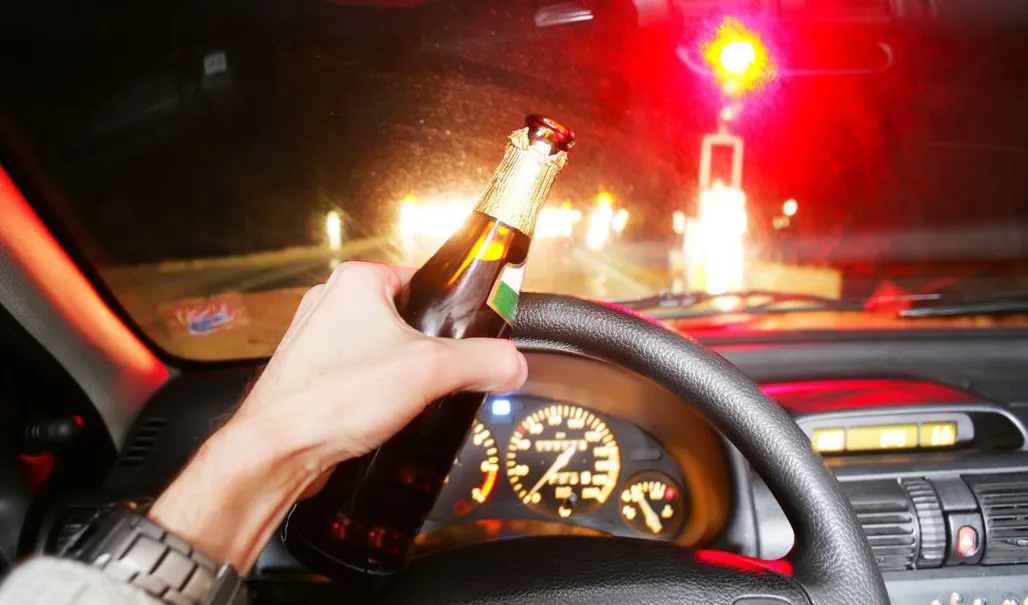
Drink driving continues to be a significant road safety issue in the UK. While long-term trends show sharp reductions in drink-drive casualties and convictions since the late 20th century, recent data reveals stalling progress, high ongoing casualty shares, and major declines in enforcement activity that may be weakening deterrence.
This analysis synthesises official government statistics, criminal justice outcomes, and behavioural survey data to give a complete picture of drink driving risk, enforcement and outcomes.
1. Fatalities & Casualties — The Human Cost
1.1 Latest Official Crash Data
According to Government-accredited transport statistics, collisions involving at least one driver over the legal alcohol limit continue to contribute substantially to overall road harm in Great Britain.
- In 2022 an estimated 6,720 casualties (people killed or injured) involved drink driving.
- Of these, around 300 were fatal, with 1,470 serious injuries and 4,950 slight injuries.
- In 2023, estimates show 6,310 casualties where illegal alcohol levels contributed.
- These figures represent a slight decline in total casualties compared to recent years but remain significant compared with all road collisions.
1.2 Long-Term Trends
From 1979 to 2023:
- Road collisions involving illegal alcohol levels have dropped dramatically since the 1980s, when drink-drive casualties exceeded 30,000 per year.
- By the early 2000s, annual drink-drive casualties fell below 20,000 and continued to fall through the 2010s.
- Recent decades show a stabilised trend between 6,000 and 8,000 casualties per year, indicating slower long-term reductions.
1.3 Proportion of All Road Deaths
While total road fatalities have fallen sharply — from over 3,000 in 2004 to around 1,624 in 2023 — the proportion involving illegal alcohol levels remains in the 12–18% range, showing alcohol remains a persistent factor in fatal collisions.
2. Criminal Justice & Enforcement Trends
2.1 Breath Tests (Police Enforcement)
Preliminary breath tests, performed at the roadside to establish if a driver may be over the legal limit:
- In 2005, police in England & Wales conducted 478,303 breath tests.
- By 2023, total breath tests had fallen to 240,322 — a decrease of almost 50% over that period.
- The proportion of tests yielding a positive result or refusal has remained broadly stable at around 15–17%, implying decreased testing activity likely reduces the number of offences detected.
Seasonal pattern:
- December 2023 saw 49,243 breath tests — 138% higher than the monthly average — reflecting intensified enforcement during festive periods.
2.2 Drink Driving Convictions (England & Wales)
The Ministry of Justice publishes conviction data for England & Wales, showing trends in how many drivers are found guilty of key drink-drive offences:
Driving/attempting to drive over the limit
- 2005: 72,127 convictions
- 2023: 29,529 convictions
- 2024: 27,208 convictions
- Trend: A 55% drop from 2005 to 2024, and a 6% decline from 2023 to 2024.
- Gender: Around 82% of those convicted were male, 17% female.
- Sentencing: Majority received fines; smaller proportions received community sentences or immediate/suspended custodial sentences.
Failing to provide a specimen
Convictions for refusing to give a breath, blood, or urine sample:
- Average of ~5,433 convictions per year (2005–2024).
- ~83% male, 16% female.
- Most receive fines, with smaller shares receiving community or custodial sentences.
Being in charge of a vehicle over the limit
- Average of ~1,495 convictions per year (2005–2024).
- 85% male, 14% female.
- Most offenders fined, with some community or custodial sentences.
Failing to provide a specimen while in charge
- Average of ~634 convictions per year (2005–2024).
- Around 84% male, 16% female.
3. Behavioural Trends & Public Attitudes
Survey data from the RAC Report on Motoring provides insight into driver behaviour and attitudes:
- In a 2023 survey of nearly 3,000 drivers, 7% admitted to driving while over the drink-drive limit, the same rate as in 2022 but up from 6% in 2021.
- 56% of alcohol-drinking drivers said they never risk driving after drinking; **33% said they might have one small drink before driving; 13% said they might have at least one large alcoholic drink and then drive.
Patterns by age:
- Drivers aged 17–24 are more likely to avoid alcohol before driving than older drivers.
- Older drivers (65+) report higher proportions willing to drink small amounts before driving, but smaller shares driving after multiple drinks.
Across motoring concerns, drink/ drug driving is consistently a top issue cited by respondents.
4. Geography & Risk Patterns
UK nations
- Rates of drink-drive casualties differ across Great Britain, with Wales showing a higher proportion than England or Scotland.
- Scotland’s legal limit is lower than in England & Wales, but collision risk patterns remain notable despite the stricter threshold.
Monthly & Daily Variation
- Government-related estimates show summer months (July and August) and January have higher collision and casualty estimates involving alcohol.
- Time-of-day statistics show late evening and overnight periods are higher risk for fatal and total collisions.
5. Legal Framework — Key Offences & Limits
The drink-driving offence framework is set out in the Road Traffic Act 1988:
- Section 5: Driving/attempting to drive, or being in charge of a motor vehicle over the prescribed alcohol limit.
- Section 7: Failure to provide a specimen of breath, blood, or urine when required.
UK legal alcohol limits (2025)
- England, Wales, Northern Ireland:
- 80mg alcohol per 100ml blood
- 35 micrograms per 100ml breath
- Scotland:
- 50mg per 100ml blood
- 22 micrograms per 100ml breath
While precise drink counts vary by body size and metabolism, police and health advice emphasise no safe level of alcohol before driving.
6. Interpretation & Key Insights
Long-term reductions:
- Both drink-drive collisions and convictions are dramatically lower than in the 1980s and 1990s, reflecting decades of law, enforcement, education, and vehicle safety improvements.
Stagnation & ongoing harm:
- Recent years show stalling progress in casualty reductions and conviction declines, even as enforcement activity (breath testing) has contracted.
Role of enforcement:
- Historical data indicates enforcement intensity (e.g., large numbers of breath tests in the late 2000s) can align with sharper falls in fatalities; sustained declines in breath testing may weaken deterrence.
Behaviour vs detection:
- Self-reported behaviour shows a persistent minority willing to drive after drinking, despite declining overall admissions compared to pre-pandemic.
Policy implications:
- The data suggests continued focus on enforcement visibility, technological interventions (e.g., interlocks), and public education to complement legal limits.
Sources
- RAC – Drink driving in the UK: statistics and data
https://www.rac.co.uk/drive/advice/road-safety/drink-driving-in-the-uk/ - DrinkDriving.org – Drink Driving Statistics UK (compiled official data)
https://www.drinkdriving.org/drink_driving_statistics_uk.php - Ministry of Justice – Criminal Justice Statistics (convictions & offences)
https://www.gov.uk/government/organisations/ministry-of-justice/about/statistics - Department for Transport – Road casualty statistics (official accredited statistics)
https://www.gov.uk/government/organisations/department-for-transport/about/statistics - Road Traffic Act 1988 (Legislation reference for drink driving offences)
https://www.legislation.gov.uk/ukpga/1988/52/contents
Food safety is preventable with the right training. Our RoSPA-accredited courses start at £13.99 with an instant certificate.
Browse courses → ← All articles